Give Your Projects a Handmade Feel with Chalk Handwriting
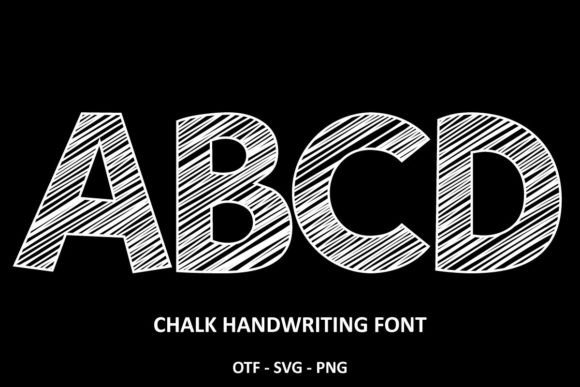
There is a distinct nostalgia attached to the sound of chalk scraping against a blackboard. It evokes memories of classroom lessons, coffee shop specials, and rustic wedding decor. In the digital design world, capturing that tactile, dusty texture without making a mess is a common goal. That is where a specialized premium font like Chalk Handwriting steps in. It is a display font designed specifically to mimic the organic, imperfect strokes of hand lettering. Unlike the rigid geometry of a standard sans serif font or the formal elegance of a serif font, this typeface brings a relaxed, human element to your layout.
As a handwritten font, Chalk Handwriting is not just about legibility; it is about personality. The visual characteristics include irregular baselines, varying stroke weights, and a textured finish that mimics the way chalk absorbs into a porous surface. This style acts as a creative font that immediately lowers the barrier between the brand and the audience. It signals approachability. When a viewer sees this typography, they subconsciously feel a connection to something handmade and authentic, which is a powerful tool in modern typography.
Strategic Applications for Branding and Marketing
Understanding where to deploy a display font is just as important as choosing it. Chalk Handwriting is versatile, but it shines brightest in specific contexts where its casual nature adds value rather than causing distraction. For small business owners and entrepreneurs, this font is a strategic asset for brand identity. It works exceptionally well for brands that want to appear friendly, organic, or artisanal. Think of a local bakery, a yoga studio, or a farm-to-table restaurant. Using this typeface for your logo design establishes a warm tone immediately, differentiating you from corporate competitors who rely on sterile, geometric fonts.
When it comes to packaging design, the font offers a tactile quality that pops off the shelf. It suggests that the product inside was made with care. However, it is vital to consider the medium. This font is ideal for products like coffee bags, craft supplies, or children’s toys. For editorial design, such as magazine headlines or blog graphics, Chalk Handwriting provides a strong visual hierarchy. It draws the eye to the headline, allowing you to use a more neutral font for the body text. This contrast is a fundamental principle of good typography.
Marketing professionals can leverage this typeface for social media graphics. The algorithm often favors content that stops the scroll, and the handwritten aesthetic feels more personal and less like an advertisement than standard corporate text. It is perfect for quotes, announcements, and call-to-action overlays on images. Furthermore, in the realm of web design, it serves as an accent font. Using it for H1 headers or specific UI elements can soften the user experience, making a website feel less like a database and more like a curated space.
Practical Considerations for Designers and Creators
While the aesthetic appeal is high, you must approach font pairing with a critical eye. Because Chalk Handwriting is a display font with high personality, it can clash with other expressive fonts. A common mistake is pairing a handwritten font with a script font; the result is often chaotic and difficult to read. Instead, look for balance. A clean, geometric sans serif font often provides the perfect anchor. The stability of the sans serif grounds the whimsy of the chalk style, ensuring your message remains professional while retaining its charm.
Readability is a crucial factor, particularly for web design and long-form text. Chalk Handwriting is designed for display purposes—headlines, logos, and short bursts of text. Attempting to use it for body copy on a website or in a dense report will lead to eye strain for your readers. Always prioritize the user experience. If the text is hard to decipher, the design fails, regardless of how "cool" it looks. This is especially true for mobile devices where screen resolution and size vary.
For those looking to purchase this as a commercial font, licensing is a critical step. Ensure that the license covers your intended use, whether that is for physical merchandise like t-shirts and greeting cards or digital assets like eBooks and templates. Most design assets come with specific terms regarding how many devices can install the file or how many users within a company can access it. Checking these details upfront protects your business from legal issues down the road.
Testing and Evaluation
Before finalizing a project, test the font in various contexts. How does it look printed on a textured paper versus a glossy brochure? How does it render on different web browsers? A creative font like this often relies on specific kerning (the space between letters) to look natural. You may need to manually adjust the tracking in your design software to prevent the letters from looking too crowded or too sparse.
Ultimately, Chalk Handwriting is more than just a typeface; it is a mood setter. It bridges the gap between digital precision and human imperfection. Whether you are designing a menu, a blog header, or a t-shirt graphic, this font offers a reliable way to inject personality into your work. By respecting its strengths and pairing it wisely, you can create designs that not only look professional but also feel genuinely connected to your audience.