Infuse Your Projects with Joy: The Like Font for Valentine's Day
There's a specific kind of energy that a well-chosen typeface brings to a project. It’s more than just letters on a page; it's a feeling, an invitation, a piece of a story. For projects centered around affection, celebration, and warmth—especially around Valentine's Day—finding a font that captures that joyful spirit is key. This is where Like, a vibrant and colorful display font, enters the conversation. It’s a design asset built for moments that matter, from a heartfelt card to a bold marketing campaign.
Understanding the Personality of the Like Typeface
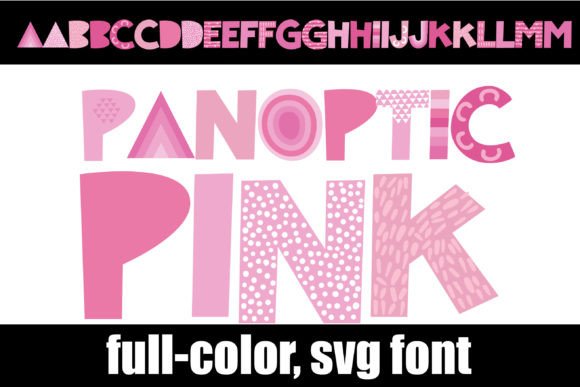
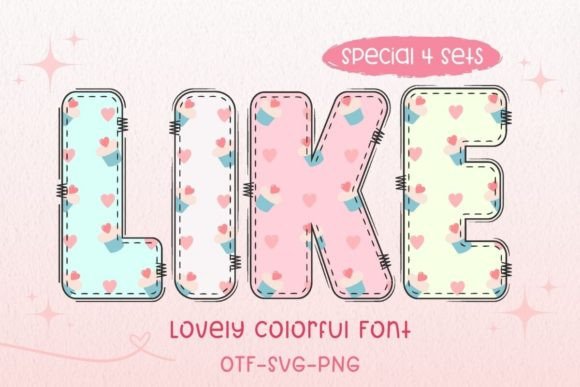
At its core, Like is a modern typography choice that leans into a playful, handcrafted aesthetic. It’s not a traditional serif font or a clean sans serif font. Instead, it occupies a sweet spot, reminiscent of a script font or a handwritten font but with a structured, colorful twist. Its defining feature is its inherent color—each letterform is designed with built-in hues, gradients, and patterns that make it pop without any extra work in your design software.
This creative font has a personality that’s both approachable and energetic. The letter shapes are friendly and slightly irregular, avoiding the cold precision of geometric typefaces. This gives it a human touch, perfect for creating an immediate emotional connection. Think of it as the typographic equivalent of a hand-decorated cookie or a custom-made gift tag. Its visual style is inherently festive, making it a standout premium font for seasonal and event-based graphic design.
Practical Applications: Where Like Truly Shines
The utility of a font like this is broad, but it’s particularly powerful in specific contexts. Its primary strength lies in display font applications where you need to capture attention quickly and convey a specific mood. For brand identity work, particularly for bakeries, florists, gift shops, or event planners, Like can form the cornerstone of a logo design or seasonal branding kit. It tells customers exactly what you’re about before they read a single word of copy.
Consider its use in the following scenarios:
- Marketing and Social Media Graphics: A social media post for a Valentine's Day sale, a "Happy Anniversary" story, or a promotional banner for a bakery will instantly feel more festive and engaging. The font does the heavy lifting of setting the theme.
- Product and Packaging Design: Imagine this typeface on a label for a special edition chocolate box, a sticker for a gift bag, or printed directly onto a mug. It adds a layer of perceived value and care to the product.
- Publishing and Editorial Design: For a magazine feature on romantic getaways, a blog header for a DIY gift guide, or chapter titles in a lighthearted ebook, Like provides a burst of personality that draws readers in.
- Personal Projects and Crafts: This is where the font feels most at home for many. Designing custom cards, stationery, party invitations, or even decorative prints for your home becomes a seamless process. The built-in color simplifies the design workflow significantly.
For crafters, there's an important distinction to note. The black version of Like is fully compatible with cutting machines like Cricut, making it ideal for vinyl decals, paper crafts, and apparel projects like custom shirts. The full-color version, however, is a specialized commercial font file designed for advanced design programs like Adobe Illustrator and Photoshop. It’s crucial to check compatibility, a detail covered in resources like the Ultimate Font Guide, to ensure your creative vision translates perfectly to your final product.
Strategic Integration and Design Considerations
Using a bold, colorful font effectively requires a bit of strategic thinking. Its power is in its impact, which means it’s best used for headlines, logos, and short, impactful phrases. Pairing it correctly is essential to maintain a clear visual hierarchy. A great font pairing for Like would be a simple, neutral sans serif font for body text. This contrast ensures readability while allowing the decorative font to command attention where it’s needed most.
When evaluating if Like is the right fit for your project, ask yourself a few questions:
- What is the core message? If it’s about joy, love, celebration, or playfulness, this font is a strong candidate. If the project requires solemnity, authority, or minimalist elegance, you’d be better served by a different typeface.
- Who is the audience? Like resonates strongly with audiences who appreciate a handmade, cheerful, and modern aesthetic. It’s perfect for brands targeting millennials and Gen Z, or for any project meant to feel personal and inviting.
- How will it be used? Always test the font in context. Create a mockup of your social media graphic or your packaging design. View it at different sizes to check for readability. The intricate details of a display font like this can get lost if used too small, particularly in body copy.
From a branding perspective, consistency is key. If you adopt Like for your Valentine's Day campaign, consider how it fits with your existing brand identity. It doesn’t need to replace your primary logo font, but it can act as a seasonal accent that brings a fresh, relevant energy to your communications. This thoughtful approach to modern typography shows professionalism and attention to detail, which builds recognition and trust with your audience.
Ultimately, Like is more than just a set of colorful glyphs. It’s a versatile design asset that, when used thoughtfully, can elevate a project from ordinary to memorable. It solves a common design challenge—how to quickly and effectively convey warmth and celebration—in a way that is both visually stunning and practically useful for designers, entrepreneurs, and hobbyists alike.