Joy: A Creative Font That Radiates Warmth and Whimsy
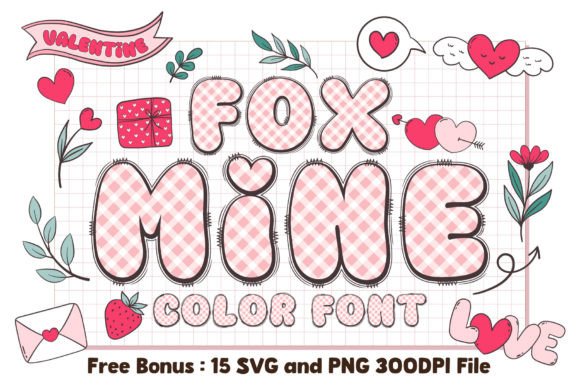
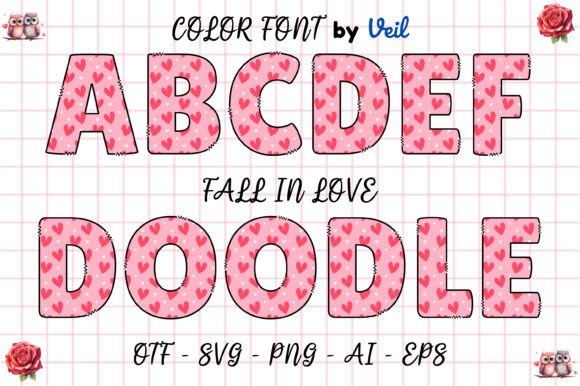
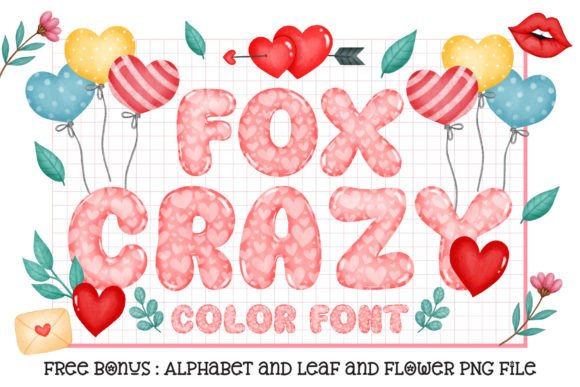
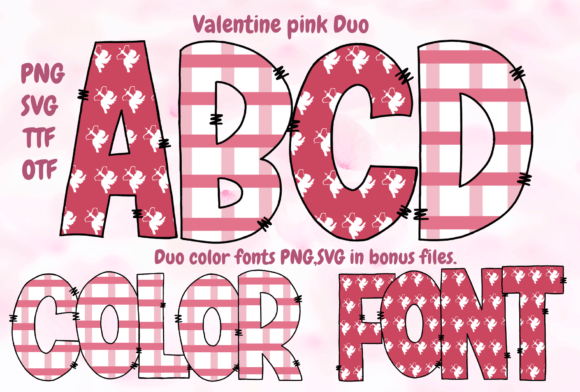
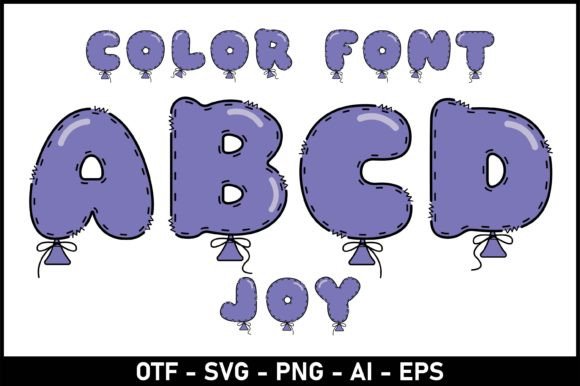
When you encounter a typeface that immediately makes you smile, you know it has something special. That's the effect of Joy, a creative font that blends the warmth of a handwritten font with the clarity of modern typography. It’s not just a collection of letters; it’s a design asset with a distinct personality. In a world saturated with sterile sans serif fonts and overly formal serif fonts, Joy offers a refreshing alternative for projects that need to feel personal, approachable, and genuinely engaging.
Joy's visual character is defined by its fluid, slightly irregular letterforms. Think of it as the well-behaved cousin of a casual script font. The strokes have a natural, organic flow, mimicking the gentle pressure variations of a felt-tip pen or a soft brush. This gives it an authenticity that purely digital, geometric fonts often lack. The x-height is generous, ensuring the font remains legible even at smaller sizes, a crucial consideration for any practical application. Its overall appeal lies in this balance: it’s expressive enough to convey emotion and personality, yet structured enough to maintain professionalism and readability across various contexts.
Where Joy Truly Shines: Practical Applications
The true test of any premium font is how it performs in the wild. Joy isn't a one-trick pony; its versatility allows it to adapt to a surprising range of projects. For brand identity work, especially for small businesses, boutique brands, or artisan products, Joy can be a game-changer. Imagine it on the logo design for a local bakery, a handmade jewelry shop, or a wellness coach. It instantly communicates care, craftsmanship, and a human touch, helping a brand stand out from competitors using more generic typefaces.
In editorial design and packaging design, Joy excels at creating focal points. Use it for pull quotes in a magazine, chapter titles in a cookbook, or the main headline on product packaging for organic foods or children's toys. It draws the eye without shouting, adding a layer of charm and intention. For web design, while you wouldn't set an entire blog post in it, Joy is perfect for hero section headlines, call-to-action buttons, or decorative elements that need to inject personality into a digital space. It translates beautifully to social media graphics, making Instagram stories, Pinterest pins, and Facebook ads feel more personal and less corporate.
Beyond commercial use, Joy is a fantastic resource for personal and creative projects. It brings a delightful energy to invitations, greeting cards, scrapbooking, and even short passages in children’s books where a playful, easy-to-read style is paramount. Its ability to feel both joyful and sincere makes it a versatile tool in any creative's toolkit.
Making Joy Work for You: A Practical Guide
Choosing the right font is only half the battle; using it effectively is what matters. Here’s how to integrate Joy into your workflow thoughtfully.
Evaluating Fit and Readability
Before committing, ask: Does Joy's personality align with my project's message? It’s ideal for brands and projects that value warmth, creativity, and approachability. It might not be the best fit for a law firm or a financial institution aiming for a tone of severe authority. Always test it in context. Create a mockup of your headline, a key paragraph, or a logo lockup. Check its readability on different screens and in print. Remember, even the most beautiful display font fails if people struggle to read it.
Mastering Font Pairing
A great creative font often works best with a partner. Joy's handwritten style pairs beautifully with clean, neutral typefaces that provide contrast and balance. Consider pairing it with a simple, geometric sans serif font for body text or supporting information. This combination lets Joy handle the expressive, emotional lifting while the companion font ensures clarity and readability for longer passages. Avoid pairing it with other highly decorative or script fonts, as this can create visual chaos and reduce legibility.
Exploring Styles and Licensing
A well-designed font family often includes multiple styles. Check if Joy comes with alternates, ligatures, or stylistic sets. These features allow you to customize the look further, perhaps swapping a letterform for a more flourished version to enhance a specific word in a logo. Crucially, for any commercial project—whether it's a client's brand identity, your own product packaging, or marketing materials—ensure you have the correct commercial font license. Using a font without proper licensing can lead to legal issues. Reputable font foundries and marketplaces make licensing terms clear, so review them carefully before finalizing your purchase.
In the end, a typeface like Joy is more than just a design element; it's a communication tool. It has the power to set a mood, tell a story, and build a connection with your audience. By understanding its character and applying it with intention, you can harness its warmth to make your next project not just seen, but felt.