Matcha Melt: A Playful Font for Creative Projects
More Than Just a Pretty Typeface
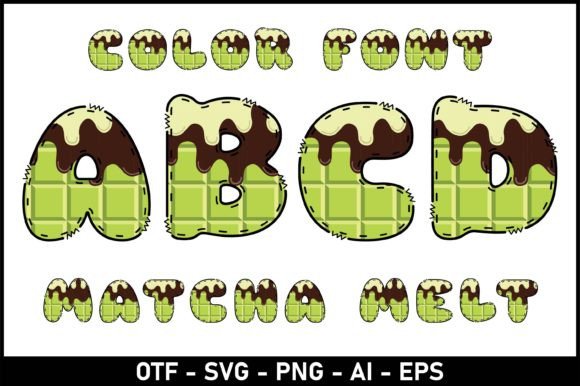
When you first encounter Matcha Melt, it’s clear this isn’t your standard corporate typeface. It immediately evokes a sense of warmth and creativity, with a personality that feels both modern and approachable. This premium font is a display font with a distinct handwritten character, blending the organic feel of a script font with the clarity needed for impactful design. Its visual style is characterized by soft, rounded edges and a gentle, flowing rhythm that mimics the smooth pour of its namesake tea. The overall appeal lies in its versatility—it’s artistic without being illegible, playful without being childish. For designers and creators, it represents a valuable design asset that can inject personality into a wide range of projects.
The true strength of a creative font like Matcha Melt is how it influences perception. Choosing the right typeface is a foundational decision in building a brand identity. A font like this communicates friendliness, creativity, and approachability. It tells your audience that your brand values artistry and personal connection. This can be a powerful tool for small businesses, bloggers, and entrepreneurs looking to stand out in a crowded market. Unlike rigid sans serif font families or traditional serif font options, Matcha Melt offers a human touch that can make marketing materials, packaging, and digital content feel more relatable and engaging.
Where Matcha Melt Truly Shines
Understanding where a font excels is key to using it effectively. Matcha Melt is a versatile player, but its personality makes it particularly suited for specific applications. In editorial design, such as magazine headlines or feature titles, it draws the reader in and sets a creative tone. For packaging design, especially for artisanal food products, cosmetics, or boutique goods, it adds a handcrafted, premium feel that can elevate the perceived value of the product. It’s a natural fit for logo design for brands that want to project a welcoming and imaginative image.
Beyond print, its role in web design and social media graphics is significant. A bold headline set in Matcha Melt can make a website’s hero section or an Instagram post instantly more eye-catching. It’s excellent for creating visual hierarchy, guiding the viewer’s eye to the most important message first. For publishing, think of chapter titles in a cookbook, headers in a lifestyle blog, or titles on event invitations. The font’s playful nature also makes it a superb choice for projects targeting families or younger audiences, such as educational materials, children’s activity sheets, or festive greeting cards, where a sense of fun is paramount.
However, practical application requires consideration. The included files offer different styles and weights, which is essential for creating depth in your designs. You can use a bold weight for primary headlines and a lighter weight for subheadings or pull quotes, establishing a clear visual hierarchy. It’s also a commercial font, meaning you need to check the licensing terms for your specific use case, whether it’s for a client project, merchandise, or digital products. Always review the license agreement to ensure compliance.
Pairing, Readability, and Making It Work
Using a distinctive display font effectively often comes down to smart font pairing. Matcha Melt has a strong personality, so it’s best balanced with a more neutral companion. A clean, geometric sans serif font for body text is a classic and reliable combination. This contrast ensures readability for longer paragraphs while allowing the display font to command attention in headlines. Avoid pairing it with another highly decorative or script font, as this can create visual clutter and confuse the reader.
Readability is always a priority. While Matcha Melt is designed for clarity at larger sizes, it’s not intended for long blocks of small body copy. Its sweet spot is headlines, titles, short phrases, and call-to-action text. Test it at the intended size and in the context of your overall design. Consider the background—does it maintain enough contrast? Is the letter spacing comfortable? A quick mockup can save you from potential issues down the line.
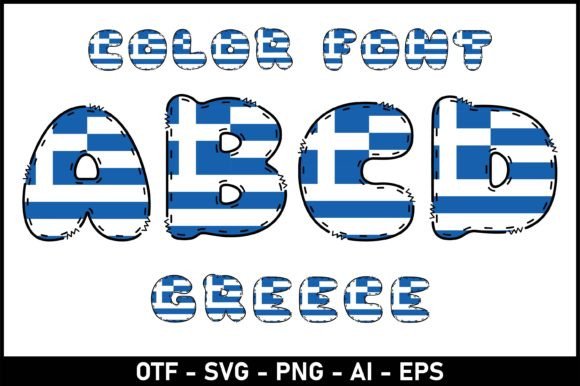
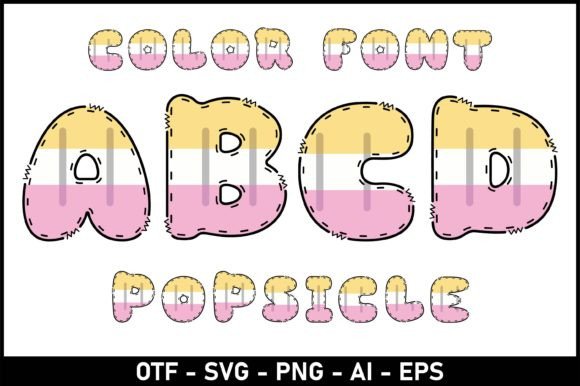
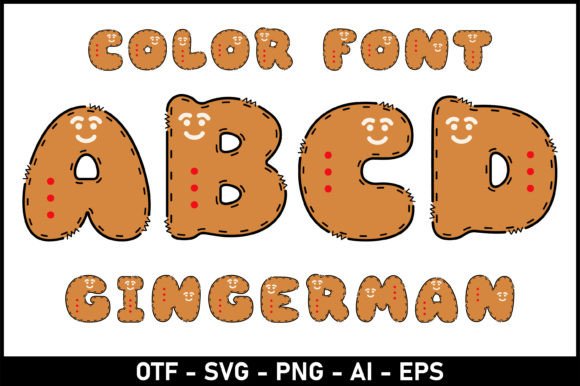
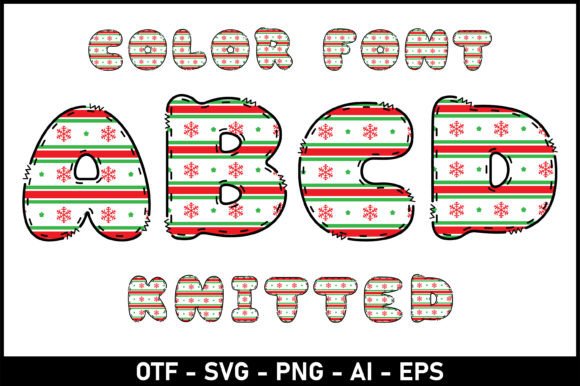
For those using cutting machines like Cricut, it’s important to note the compatibility details. The black version of the font works seamlessly with Cricut Design Space, making it perfect for vinyl decals, paper crafts, and custom apparel. The color version, however, is designed for advanced graphic software like Adobe Photoshop, Illustrator, Silhouette Studio, and Inkscape. This color font capability allows for incredibly vibrant and textured designs directly within your text, but it’s a specialized feature for digital design work, not physical cutting. Evaluating your primary tools and project needs will guide you to the right version.
Ultimately, incorporating a font like Matcha Melt into your toolkit is about expanding your expressive range. It’s a modern typography choice that can breathe life into a brand refresh, make a marketing campaign more memorable, or add a personal touch to a hobby project. By thoughtfully considering its application, pairing it wisely, and respecting its intended use, you can leverage its unique charm to create work that resonates and connects. It’s a testament to how a single, well-chosen design asset can influence the entire feel of a creative endeavor.