The Greek Font: A Playful Choice for Creative Projects
Understanding the Greek Typeface
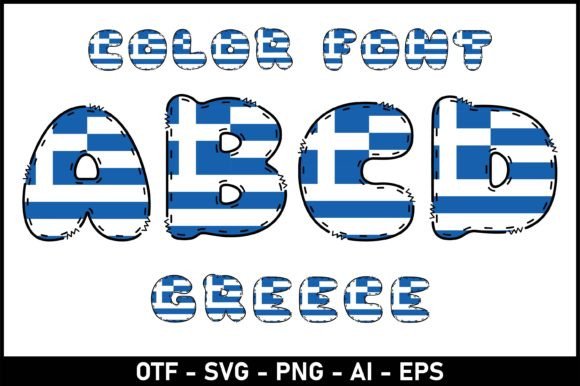
The Greek font stands out as a premium font choice that brings warmth and character to any design. At its core, this typeface carries a distinctly playful personality—think rounded letterforms, gentle curves, and a handwritten quality that feels approachable without being childish. The visual rhythm of Greek feels organic, almost like someone took the time to carefully craft each letter by hand, which gives it that authentic, artisanal quality so many designers chase after.
What makes Greek particularly interesting is how it balances whimsy with legibility. Unlike some script fonts that sacrifice readability for style, Greek maintains clear letter separation and consistent spacing. The strokes have a natural weight variation that mimics real handwriting, giving text set in Greek a dynamic, living quality. Whether you're working with uppercase, lowercase, or numerals, each glyph feels intentional and cohesive.
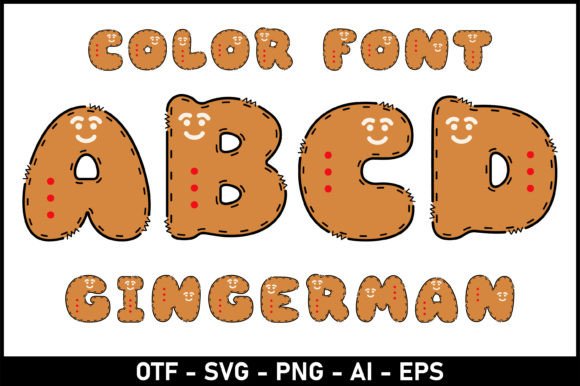
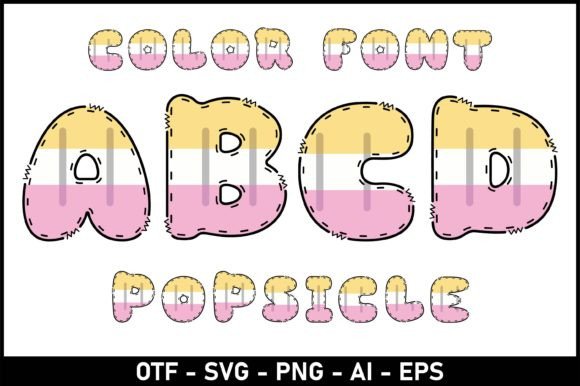
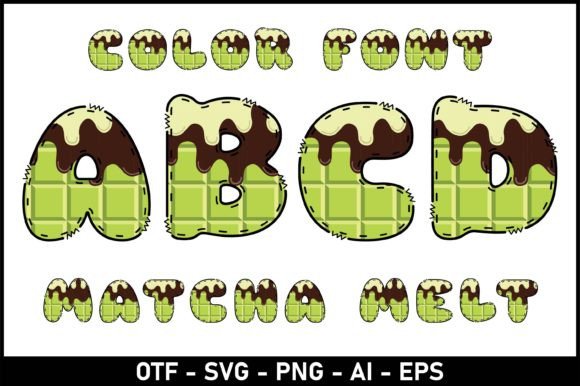
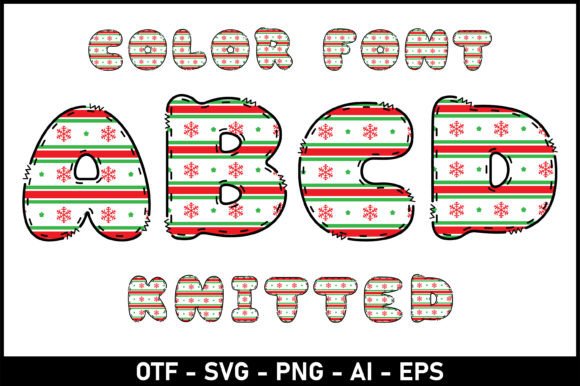
The font includes both black and color versions, which opens up creative possibilities. The black version works seamlessly with Cricut Design Space and other cutting machines, making it accessible for crafters and small business owners who create physical products. The color version, meanwhile, brings an extra dimension to digital projects in programs like Photoshop, Illustrator, Silhouette, and Inkscape.
Where Greek Shines Brightest
Greek finds its sweet spot across a surprisingly wide range of applications. For children's books, it's almost tailor-made—the whimsical letterforms create an inviting reading experience that draws young audiences in without overwhelming them. The font's inherent warmth makes stories feel more personal, more intimate, like a favorite teacher reading aloud.
In editorial design, Greek works beautifully for pull quotes, chapter titles, and accent text. It pairs well with cleaner sans serif fonts for body copy, creating visual contrast that guides readers through a publication. Magazines targeting lifestyle, parenting, or creative audiences often benefit from this kind of typographic pairing.
Logo design and brand identity projects represent another strong application. Brands that want to communicate approachability, creativity, or a handmade aesthetic find Greek particularly useful. Bakeries, craft studios, boutique shops, children's clothing lines, and creative agencies have all leveraged similar display fonts to establish memorable visual identities.
Packaging design benefits enormously from Greek's personality. Product labels, gift tags, box designs, and retail packaging all gain character when set in a typeface that feels handcrafted. The font suggests care and attention to detail—qualities that resonate with consumers who value authenticity.
Digital applications are equally compelling. Social media graphics, blog headers, email newsletters, and web design accent elements all become more engaging with Greek. The font catches attention in crowded feeds and adds personality to otherwise generic templates.
For crafters and hobbyists, Greek opens doors to custom invitations, greeting cards, party decorations, wall art, and personalized gifts. The compatibility with cutting machines means you can take designs from screen to physical product without friction.
How Greek Influences Your Design Outcomes
Typography shapes perception in ways most people never consciously notice. When you choose Greek for a project, you're making a deliberate statement about tone and personality. The font signals warmth, creativity, and approachability—three qualities that directly influence how audiences connect with your content.
Readability remains paramount, and Greek handles it well for short-form applications. Headlines, titles, quotes, and accent copy all benefit from its clear letterforms. For longer passages of text, however, pairing Greek with a complementary serif font or sans serif font for body copy creates better reading flow and establishes clearer visual hierarchy.
Brand perception shifts noticeably when you introduce a font like Greek into your design assets. Companies that feel cold or corporate can soften their image. Startups can appear more human and relatable. Personal brands can reinforce their unique voice. The key lies in consistency—using Greek strategically across touchpoints builds recognition and reinforces the personality you want to project.
Practical Guidance for Working with Greek
Before committing to Greek for any project, evaluate whether its personality aligns with your goals. A law firm probably isn't the right fit, but a creative workshop, a children's educational platform, or a boutique food brand absolutely could be. Context matters enormously in modern typography.
Testing font pairings deserves dedicated time. Set Greek alongside potential partners and evaluate the visual tension. Clean geometric sans serifs often create appealing contrast. Traditional serifs can work for editorial contexts. Avoid pairing Greek with other highly decorative fonts—competing personalities create visual noise rather than harmony.
Review the included styles and character sets before purchasing. Check for the specific glyphs your projects require—extended Latin characters, ligatures, alternates, and special punctuation all expand creative options. The black and color versions serve different purposes, so understanding your primary use case helps determine which version matters most.
For commercial projects, verify licensing terms carefully. Whether you're creating products for sale, client work, or digital downloads, ensure your license covers intended use. Most commercial font licenses distinguish between desktop use, web use, and embedding rights. Read the fine print before launching any product or campaign.
Finally, test Greek at the sizes and contexts where it will actually appear. A font that looks stunning at 72 points on screen might lose its charm at 14 points on a business card. Print samples, view on multiple devices, and gather feedback from people in your target audience. Real-world testing beats screen previews every time.