Unlock Creative Potential with Doly: A Modern Display Font
When you're building a brand or launching a new product, the typography you choose carries more weight than most people realize. It's the visual voice of your message, the first impression before a single word is read. Doly enters the scene as a versatile display font designed to meet the demands of modern creatives who need type that feels both distinctive and adaptable. This isn't just another typeface sitting in your library—it's a tool built for real-world projects where impact matters.
What Makes Doly Stand Out
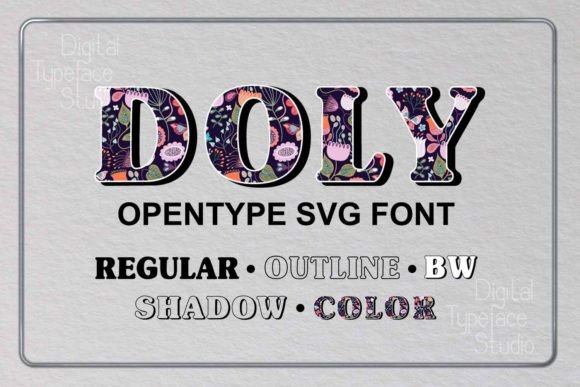
Doly is a premium font that balances personality with function. Its letterforms have a confident, contemporary feel—rounded enough to feel approachable but structured enough to maintain clarity at various sizes. The overall aesthetic leans toward clean modernism with subtle warmth, making it suitable for projects that need to feel current without being cold or overly technical.
What sets Doly apart from many display fonts is its thoughtful range of styles. You get five distinct variations: Regular, Outline, Shadow, Black and White, and Color. Each style serves a different creative purpose, which means you're essentially getting multiple design assets in one package. The Regular style works beautifully for straightforward headlines and branding elements. Outline brings a lighter, more editorial touch—think magazine layouts or minimalist packaging design. Shadow adds depth and dimension without requiring additional design work. Black and White offers stark contrast for projects where high visibility is non-negotiable. And the Color style opens up possibilities for vibrant, eye-catching social media graphics and digital campaigns.
Where Doly Shines Across Projects
One of the most practical aspects of Doly is how naturally it fits into different creative contexts. If you're working on logo design, the Regular and Outline styles give you clean foundations that scale well from business cards to billboards. For brand identity systems, having multiple styles from the same typeface family ensures visual consistency across touchpoints—from website headers to printed collateral to social media graphics.
Entrepreneurs and small business owners will appreciate how Doly handles packaging design. Product labels need to communicate quickly and memorably, and Doly's clear letterforms do exactly that. The Shadow and Color styles add visual interest that helps products stand out on crowded shelves without sacrificing legibility. For editorial design—book covers, magazine spreads, poster layouts—Doly brings a modern edge that feels intentional rather than trendy.
Content creators and bloggers often struggle with finding fonts that work across platforms. Doly adapts well to both digital and print environments. Use it for YouTube thumbnails, podcast artwork, email headers, or printed invitations. The font's versatility means you can maintain a cohesive visual language whether someone encounters your brand on a screen or in their hands.
How Typography Influences Perception
Every typeface carries emotional weight. Serif fonts often feel traditional and trustworthy. Sans serif fonts read as clean and contemporary. Script fonts and handwritten fonts suggest personality and warmth. Doly positions itself in that sweet spot where modern meets approachable—it doesn't feel corporate or sterile, but it also doesn't sacrifice professionalism for the sake of being playful.
This balance matters more than people think. When someone sees your logo, reads your packaging, or scrolls past your social post, the typography shapes their gut reaction. A well-chosen creative font like Doly can make a small business look established and intentional. It can make a personal project feel polished. It can make marketing materials feel cohesive rather than assembled from random pieces.
Visual hierarchy is another critical consideration. Doly's range of styles lets you create clear distinctions between headlines, subheadings, and supporting text without relying on entirely different fonts. The Outline style, for example, pairs naturally with the Regular style to create contrast while maintaining a unified look. This kind of built-in hierarchy saves time and reduces the guesswork in layout design.
Practical Guidance for Choosing and Using Doly
Before committing to any commercial font, it's worth evaluating whether its personality aligns with your project's goals. Doly works best when your design needs to feel modern, confident, and versatile. If you're going for ultra-minimalist Scandinavian aesthetics or heavily ornate vintage vibes, it might not be the right fit. But for the vast majority of contemporary branding, marketing, and publishing projects, it delivers.
Testing font pairings is essential. Doly pairs well with clean sans serif fonts for body text—think something like a neutral geometric sans that won't compete for attention. If you're using Doly for headlines, let your body copy breathe with a highly readable companion font. Avoid pairing it with other strong display fonts, which can create visual noise rather than harmony.
Take time to explore all five styles before finalizing your design. The Color style, for instance, might feel too bold for a corporate annual report but perfect for a children's brand or a festival poster. The Black and White style could be exactly what a high-contrast signage project needs. Each variation exists for a reason, and understanding their strengths helps you make smarter design decisions.
Readability should always be a priority. While Doly performs well at larger sizes typical of headlines and display use, test it at the specific sizes you'll be using. Print a sample if your project is physical. View it on different screens if it's digital. Good typography isn't just about aesthetics—it's about communication.
Finally, review the licensing terms carefully. Doly is a commercial font, and understanding what's covered ensures you can use it confidently across client work, products, and platforms without surprises. Most premium fonts include clear guidelines, and following them protects both your work and the type designer's craft.
Building Stronger Visual Communication
Typography is one of those design elements that works best when it goes unnoticed—when it simply feels right. Doly offers the kind of versatility that lets your content take center stage while the font quietly supports the overall experience. Whether you're a designer crafting a brand identity system, a marketer developing campaign assets, a publisher designing a book cover, or a hobbyist creating handmade invitations, having a reliable display font with multiple styles streamlines your workflow and elevates your output.
The real value of a font like Doly isn't just in how it looks—it's in how it performs across the messy, varied reality of creative work. Projects change direction. Formats shift from digital to print. Clients request revisions. Having a typeface that adapts gracefully to those changes makes your process smoother and your results more consistent. That practical reliability, combined with genuine visual appeal, is what makes Doly worth considering for your next project.