Colorful Line: A Playful Font for Vibrant, Engaging Design
Understanding the Visual Personality of Colorful Line
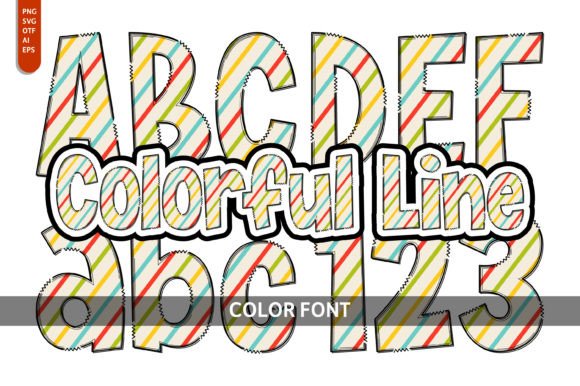
Colorful Line isn't just another display font; it's a design tool built for specific emotional resonance. Its defining feature is its inherent whimsy and artistic flair. The letterforms have a hand-drawn, organic quality that feels personal and inviting. Unlike rigid geometric sans serifs or traditional serifs, this typeface uses flowing curves and slightly uneven baselines to create a sense of movement and energy. This is a creative font that immediately communicates fun, approachability, and a touch of nostalgia. It’s the visual equivalent of a bright, cheerful illustration, making it perfect for projects aimed at engaging young audiences or conveying a lighthearted brand personality.
Where Colorful Line Truly Shines: Practical Applications
The strength of a premium font like Colorful Line lies in its targeted application. It excels in contexts where readability for children or a playful tone is paramount. Think beyond the obvious. While it's a natural fit for children's books and greeting cards, its utility extends into broader brand identity and packaging design.
- Editorial & Publishing: Use it for chapter titles, pull quotes, or section headers in magazines, activity books, or blogs focused on family, education, or crafts. It adds a burst of personality without overwhelming body text set in a clean sans serif font.
- Marketing & Social Media: It’s a standout choice for social media graphics, especially for brands in the toy, education, or family entertainment space. It grabs attention in a crowded feed and is highly legible at thumbnail sizes for posters and event flyers.
- Digital & Web Design: Strategically used, it can enliven a website's logo design or key call-to-action banners. It pairs exceptionally well with a neutral, modern sans serif for body copy, creating a dynamic font pairing that balances whimsy with professionalism.
- Packaging & Product Design: For food products, toys, or stationery aimed at families, Colorful Line on the packaging instantly signals the product's fun, approachable nature. It helps build immediate recognition on the shelf.
The Technical Edge: A Color Font (OpenType-SVG)
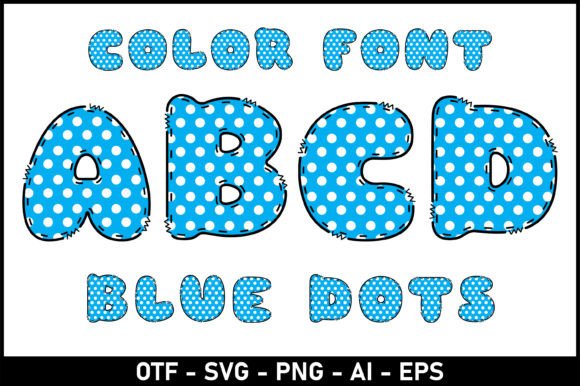
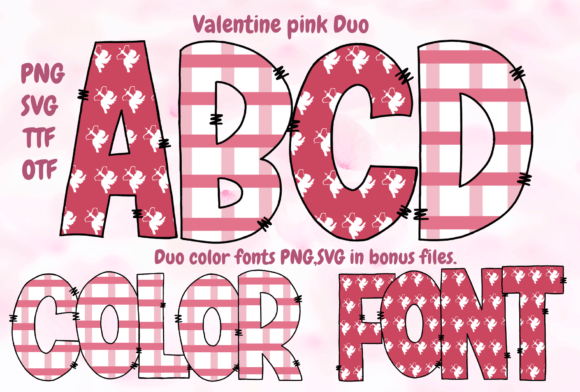
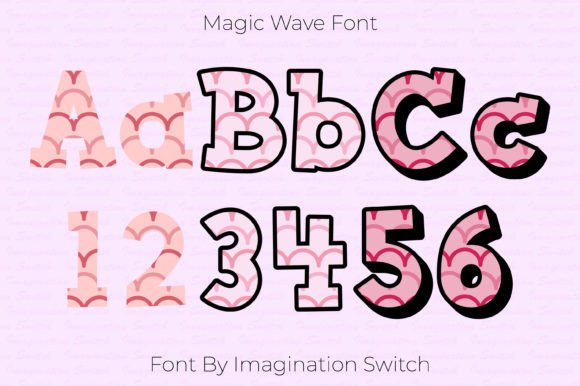
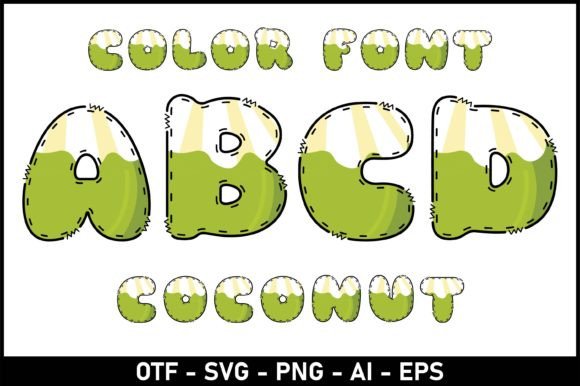
What makes Colorful Line a modern design asset is its format as a color font (OpenType-SVG). This technology allows for multi-colored, textured, or gradient letterforms within a single font file, something impossible with traditional OTF or TTF fonts. This means the "colorful" aspect is built-in, saving designers the step of manually coloring each letter. However, compatibility is crucial. This font works seamlessly in PhotoShop, Illustrator, Silhouette, and Inkscape. It’s important to note that the standard OTF/TTF files are not compatible with Cricut machines. Always check software compatibility before purchasing to ensure it fits your workflow.
Making It Work: Guidance for Your Projects
Adopting a font with such a strong personality requires thoughtful implementation. Here’s how to integrate Colorful Line effectively:
- Evaluate Project Fit: Is the tone playful, educational, or energetic? If the project demands serious authority or minimalist sophistication, this font may not be the right tool. It’s best for contexts where warmth and creativity are valued.
- Master the Font Pairing: Avoid pairing it with another highly decorative script font or handwritten font, which can create visual chaos. The ideal partner is a sturdy, simple serif font or sans serif font for body text. For example, pair Colorful Line headers with Open Sans or Lora for a balanced, professional look.
- Consider Hierarchy and Readability: Use it primarily for headlines, short phrases, or logos. Its detailed style can reduce readability in long paragraphs of body text. Always test at the intended size—what looks great as a poster title may become illegible as fine print on a business card.
- Review the Included Styles: A good commercial font often comes with multiple weights or alternates. Check if Colorful Line includes bold, italic, or stylistic alternates. These variations give you flexibility to create emphasis and visual interest within the same font family, strengthening your visual hierarchy.
- Understand the License: For commercial projects—from client work to products for sale—ensure you have the correct commercial license. This protects your work and supports the font’s creators. Reputable foundries provide clear licensing terms.
In the landscape of modern typography, choosing the right typeface is about matching tool to task. Colorful Line is a specialized instrument. When used with intention, it can transform a generic design into something memorable and engaging, directly influencing how your audience perceives the warmth, creativity, and approachability of your brand or project. It’s not just about decoration; it’s about strategic communication. Test it in your next project that calls for a joyful, artistic voice.