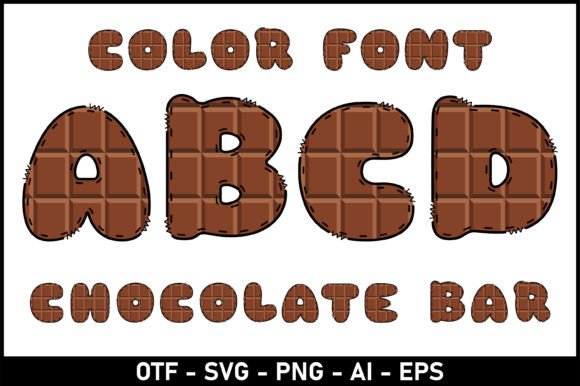
Chocolate Bar: A Playful Font for Creative Branding
Finding a typeface that captures a specific mood without sacrificing functionality is a common challenge for designers and brand builders. You need something with personality, something that feels human and engaging. Enter Chocolate Bar, a creative font that masterfully blends whimsical charm with a surprisingly versatile structure. It’s not just another display font; it’s a tool for injecting warmth, authenticity, and a touch of handcrafted artistry into a wide range of projects.
Visual Character and Versatility
At its core, Chocolate Bar is a modern handwritten font. Its letterforms mimic the natural, slightly irregular flow of hand-lettering, avoiding the rigid perfection of digital scripts. The strokes have a pleasant weight and a subtle bounce, giving text a lively, approachable energy. This isn’t the chaotic scrawl of a child’s writing, but rather the confident, artistic hand of a skilled letterer. It strikes a balance that makes it suitable for both headline-grabbing displays and smaller, supportive text blocks where readability is key.
The true versatility of this premium font shines in its application across different media. For children’s book publishers and authors, it’s a natural fit. Its playful aesthetic creates an inviting reading experience, drawing young audiences into the story. On packaging design, particularly for artisan foods, bakeries, or boutique goods, Chocolate Bar conveys a sense of homemade quality and care. Imagine it on a coffee bag label or a gourmet chocolate wrapper—it immediately sets expectations for a product made with passion.
Building Brand Identity and Audience Connection
A font is a silent ambassador for your brand. Choosing Chocolate Bar for your logo design or brand identity sends a clear message: your brand is creative, friendly, and values a personal touch. It works exceptionally well for entrepreneurs and small business owners in the lifestyle, wellness, or creative sectors. A blog header, social media graphics, or website banner set in this typeface feels more personal and engaging than a standard sans serif font. It helps build recognition by giving your visual communications a consistent, memorable voice.
For marketers and content creators, this font is a valuable design asset. It can break up the monotony of long-form text, highlight calls to action, or add visual interest to infographics. When used in editorial design, such as magazine pull quotes or chapter titles, it provides a refreshing contrast to more traditional serif or sans serif body copy. The key is understanding its role: Chocolate Bar excels as a headline, accent, or logo font, where its personality can fully come through. Pairing it with a clean, simple sans serif for body text often creates a beautiful and highly readable typographic hierarchy.
Practical Guidance for Using Chocolate Bar
Before integrating any new typeface into your workflow, a practical evaluation is essential. First, consider your project’s tone. Is it aiming for professional authority, playful energy, or rustic elegance? Chocolate Bar leans strongly toward the latter two. Test it within your existing designs. Does it complement your color palette and imagery? A quick mockup can reveal whether its style enhances or clashes with your other elements.
Next, explore font pairing. Its handmade quality pairs best with structured, neutral fonts. Think of a geometric sans serif like Montserrat or a classic serif like Georgia for your body text. This contrast allows Chocolate Bar to stand out as the star of your headlines without creating visual chaos. Always review the included styles and character sets. Many premium fonts like this come with alternates, ligatures, or swashes that can add even more custom flair to your typography.
A critical consideration is readability at small sizes. While it’s designed for clarity, test any font at the size you intend to use it, especially for web design or lengthy print documents. For digital projects, ensure your web font files are optimized for fast loading. Finally, understand the licensing. If you’re using Chocolate Bar for commercial projects—whether client work, merchandise, or a monetized blog—you must ensure you have the correct commercial font license. This protects both you and the font designer.
In the landscape of modern typography, Chocolate Bar holds a distinct place. It offers a solution for designs that need to feel less digital and more human. From greeting cards and wedding invitations to brand logos and social media campaigns, its application is limited only by your creativity. By thoughtfully evaluating its fit, pairing it wisely, and respecting its licensing, you can leverage this font to create work that resonates deeply with your audience, turning simple text into a compelling part of your visual story.