Jolly: The Chunky Display Font for Playful Projects
There's a specific feeling you get when a design just clicks. It’s that moment when the visual message aligns perfectly with the project's intent, creating an instant connection with the viewer. Often, the catalyst for this connection is the right typeface. If your work involves capturing the energy of childhood, the joy of a celebration, or the approachable spirit of a fun brand, you need a font that doesn't just speak, but shouts with positivity. Enter Jolly, a premium font designed to be the life of the party.
More Than Just a Cute Face: The Anatomy of Jolly
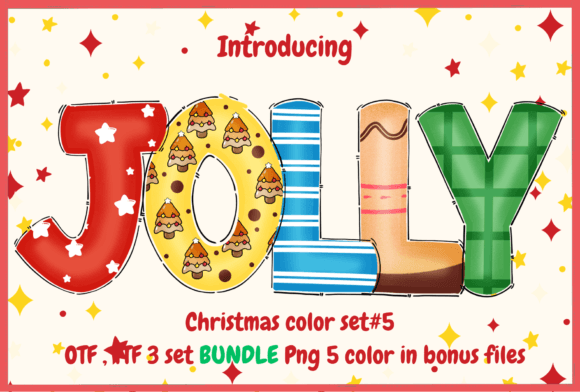
At first glance, Jolly is unapologetically cheerful. This display font is built on a foundation of chunky, rounded letterforms that feel solid and friendly. The visual personality is one of playfulness and authenticity. Each character has a slightly irregular, hand-drawn quality that avoids the sterile perfection of some geometric sans serifs. This subtle imperfection is key; it gives Jolly a human touch, making designs feel more personal and less corporate. The generous x-height and open counters contribute to excellent readability, even at larger sizes where its charming details can truly shine.
Think of Jolly as the typographic equivalent of a bright, sunny day at the park. It’s not trying to be serious or formal. Its strength lies in its ability to evoke smiles and create a welcoming atmosphere. While it works beautifully as a standalone hero font for headlines, its character is best appreciated when given room to breathe. Overusing it in long paragraphs would diminish its impact, but when applied strategically, it becomes a powerful tool for setting the tone of an entire project.
Where Jolly Truly Comes Alive: Practical Applications
The real value of a creative font like Jolly is measured by its versatility across different mediums. Its core appeal lies in projects targeting children, families, or any audience that appreciates a lighthearted aesthetic. However, its applications extend far beyond the obvious.
- Branding and Logo Design: For businesses like toy stores, children’s clothing lines, bakeries, party planners, or family-friendly cafes, Jolly can form the cornerstone of a memorable brand identity. Paired with a simple sans serif font for body text, it creates a logo that is instantly recognizable and full of personality.
- Publishing and Editorial Design: Imagine the cover of a children’s book, the title card for an educational video, or the headers in a parenting blog. Jolly grabs attention and sets a joyful mood instantly. In editorial design, it’s perfect for pull quotes, chapter titles, or feature article headings in magazines aimed at a younger demographic.
- Packaging Design: On a shelf crowded with competitors, a product using Jolly stands out. It’s an excellent choice for packaging snacks, toys, craft supplies, or party goods. The font communicates fun and excitement before the customer even reads the product name.
- Digital and Web Design: In the realm of web design, Jolly shines in hero sections, call-to-action buttons, and newsletter sign-up headers. It’s also a fantastic choice for social media graphics. A promotional post or story using Jolly for its headline is more likely to stop a user from scrolling than one with a generic, standard font.
- Personal and Commercial Projects: From designing birthday invitations and school event posters to creating custom t-shirts and stickers for an Etsy shop, this commercial font is a versatile asset. Crafters and hobbyists will find it indispensable for projects that need a dose of handmade charm.
Using Jolly Effectively: A Designer's Guide
Integrating a bold, stylistic font into your work requires a thoughtful approach. Simply dropping it into a design isn't enough. To truly leverage its potential and ensure it enhances your project, consider these practical guidelines.
Font Pairing is Everything
Jolly is a star player, but it needs a supporting cast. Because it’s a distinct display font, it pairs best with clean, neutral typefaces. A classic serif font like Georgia or a simple sans serif font like Lato or Open Sans makes for a perfect companion. This contrast creates a clear visual hierarchy, allowing Jolly to command attention in headlines while the secondary font ensures body text remains highly readable. Avoid pairing it with other decorative fonts, such as an ornate script font or another chunky handwritten font, as this will create visual chaos and undermine your message.
Evaluate the Project's Tone
Before you commit, ask yourself: Does this font align with the project's core message? Jolly is perfect for conveying fun, energy, and approachability. It would be a poor choice for a law firm’s website or a luxury watch brand, where a sense of formality and seriousness is required. The key to good modern typography is context. The font must serve the story you are trying to tell. Using Jolly in the wrong context can confuse your audience and weaken your brand perception.
Check the Technical Details
As a premium font, Jolly comes with a commercial license, which is essential for any business or professional use. Always review the licensing terms to ensure it covers your specific needs, whether for digital ads, printed merchandise, or software embedding. A quality typeface will also include a full character set, often with multiple styles, alternates, or ligatures. Explore these features. Sometimes, a simple alternate letterform can add that extra bit of flair that makes a headline perfect. Test it at the sizes you plan to use. While it’s designed for large-scale use, check its clarity on different screen sizes for web design projects or at various print resolutions.
Ultimately, Jolly is more than just a collection of letters; it’s a design asset that injects life and personality into your work. By understanding its strengths and applying it with intention, you can create designs that are not only visually appealing but also emotionally resonant. It’s a tool for anyone who wants their projects to feel vibrant, welcoming, and, true to its name, jolly.